5 Best Orthopedic Pillows for Neck & Shoulder Pain (2025 Edition)
By The Lulif Sleep Team | Updated February 11th, 2025 | Advertorial
We spent months testing 27 cervical pillows, and only 5 of them made a real difference for people living with stubborn neck pain.
Every pillow below is scored on neck support, comfort for sore necks, how well it holds its shape, and what it's actually like to sleep on.
We tested with pressure mapping, thermal imaging and multi-week sleep trials with people who deal with neck pain every day.

How We Tested
Every pillow went through the same process:
- Multi-week sleep trials with a panel of 12 people who live with neck problems
- Pressure mapping to check how evenly each pillow supports the head and neck
- Thermal imaging to see which pillows trap heat
- Compression testing that simulates about 3 years of nightly use
- A close look at foam density, materials and safety certifications
- Feedback from chiropractors who see neck pain patients every week
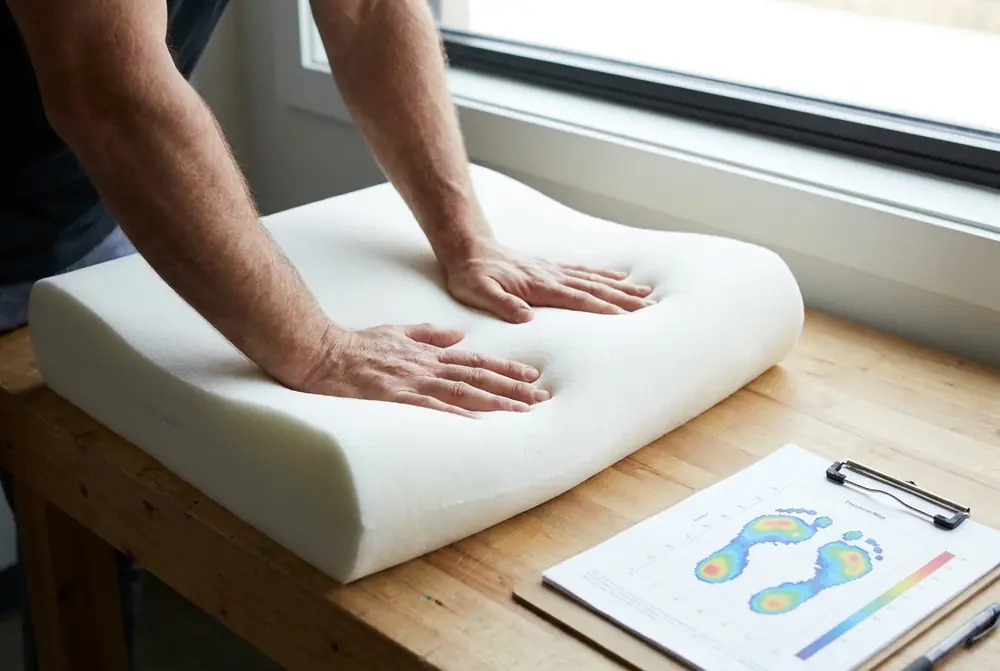
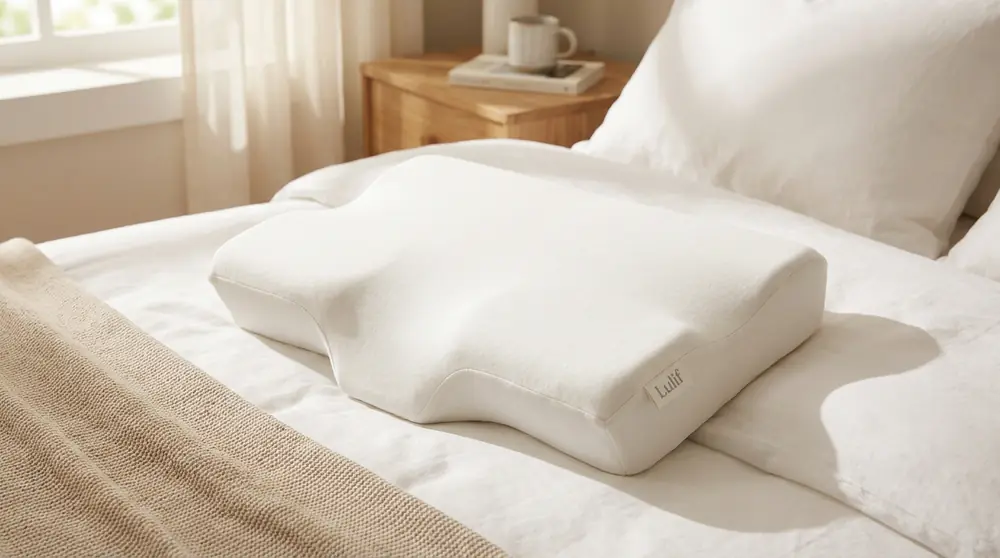
1. Lulif Cervical Pillow
Price: $75 (currently reduced from $145)
The Lulif Cervical Pillow is our top pick because it held up best in every test and works in every sleep position. Most "contour" pillows just add a bump. Lulif uses a butterfly-shaped hollow centre that keeps the neck in its natural curve all night.
Why It Stands Out: Lulif designed this pillow to support the neck properly, not just to feel soft for the first ten minutes. It uses high-density 5.0 lb/ft³ memory foam, denser than the usual 3.0–4.0 lb/ft³, so it doesn't sink and go flat after a few months the way many orthopedic pillows do.
Pros:
- Hollow centre takes pressure off the head while keeping the neck aligned
- Cooling gel-infused foam helps with the heat build-up memory foam is known for
- One shape for side, back and combination sleepers
- Removable, washable, hypoallergenic cover
- 90-night risk-free trial with easy returns
- CertiPUR-US® certified foam
Cons:
- Pricier than basic pillows (though it's often on sale)
- Takes about 5–7 nights to get used to if you're coming from a traditional pillow
- Comes in one universal size, made to fit most adults
Who It's Best For: People who wake up stiff and sore, especially those over 50, desk workers with "tech neck", and anyone who's tried several pillows without luck. In our trials, the people who'd already been through a few pillows saw the biggest difference.
What Testers Said: Robert W., 67, a retired school principal who has dealt with neck pain for over a decade, told us: "I've tried more pillows than I can count, including ones my physio suggested. This is the first one where I don't wake up dreading moving my head. After a couple of weeks, turning my head felt noticeably easier."
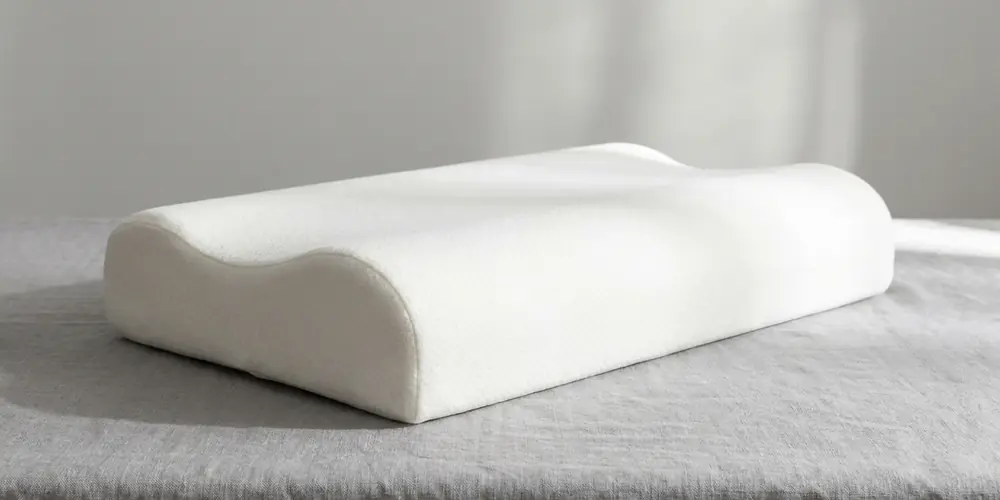
2. Premium Brand-Name Neck Pillow
Price: $119.00
This is one of the best-known orthopedic pillows on the market. Its classic ergonomic shape has barely changed in years.
Pros:
- Very durable high-density foam that keeps its shape
- Comes in several sizes
- Well-known brand that's easy to find
- Long warranty
Cons:
- Costs a lot more without performing better
- Many testers found it too firm, with a long, uncomfortable break-in period
- Not great for side sleepers with broad shoulders
- Sleeps hot
- Short 30-day return window
How It Compares: It's well made, but the design hasn't kept up. Our pressure mapping showed noticeably more pressure points for side sleepers than the Lulif, and its 30-day return window is much shorter than Lulif's 90 nights.
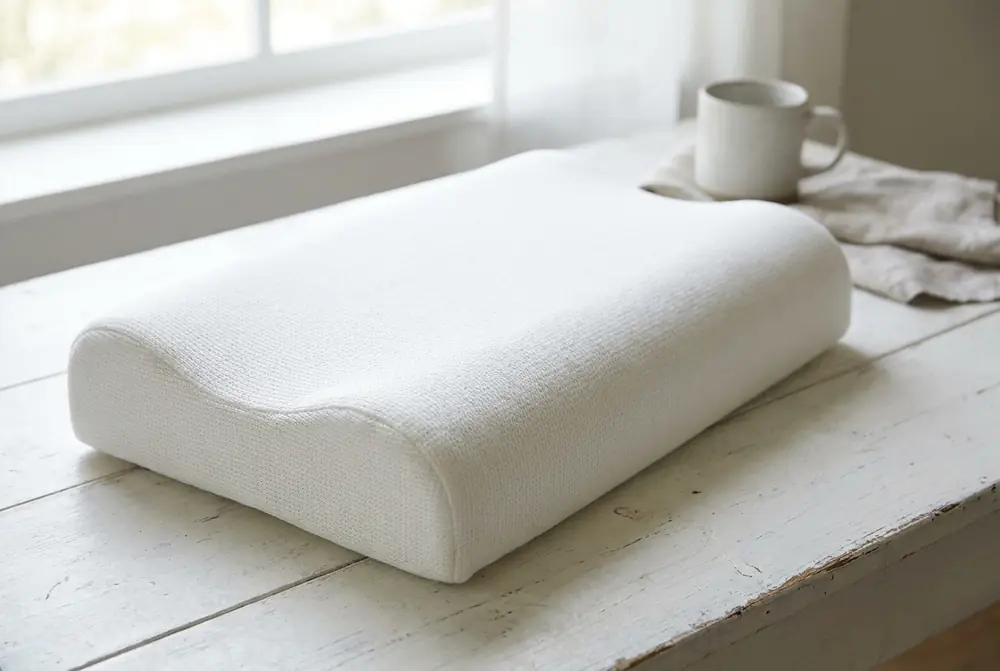
3. Budget Contour Foam Pillow
Price: $49.99
A cheaper option with a basic contour shape that gives some basic neck support.
Pros:
- Low price
- Removable insert to adjust the height
- Breathable bamboo-blend cover
- 30-day returns
Cons:
- Lower-density 3.0 lb/ft³ foam that tends to sag within 6–8 months
- Not enough height for side sleepers with broad shoulders
- Generic contour that isn't built around common neck problems
- Sleeps warm
- Quality varies from pillow to pillow
How It Compares: In thermal imaging it held noticeably more heat than the Lulif, which matters if you sleep hot. Testers felt some relief at first, but it didn't keep their necks aligned through the night.
4. Adjustable Shredded-Fill Pillow
Price: $96.00
Instead of a fixed contour, this pillow uses loose fill you can add or take out to change the height and firmness.
Pros:
- Fill can be added or removed to suit you
- Gel-infused memory foam and microfibre fill
- Whole pillow is machine washable
- 100-night trial and 5-year warranty
- Certified low-emission materials
Cons:
- Takes a lot of trial and error to get the height right
- No structured neck support
- Fill can clump over time
- Even fully stuffed, too soft for many people with neck pain
- Not built for spinal alignment
How It Compares: It's great if you like to fine-tune your pillow, but it can't give the targeted neck support of a contoured design like the Lulif. People with neck pain in our panel reported less restful sleep on it than on structured pillows. It does beat many others on cooling and washability.

5. Water-Base Support Pillow
Price: $69.95
This pillow has a water-filled base, so you can change the support level and it shifts with you as you move.
Pros:
- Add or remove water to change firmness
- Moves with you when you change position
- Some published research behind the concept
- Water layer keeps it cool
- 30-day money-back guarantee
Cons:
- Heavy (about 4–5 lb when filled)
- Needs refilling and upkeep now and then
- Can leak over time
- Some people find the sloshing noise distracting
- Often too low for side sleepers
How It Compares: The water base is a clever idea but a hassle in practice. In our durability testing, the Lulif felt the same from start to finish, while this pillow's support had started to fade by the equivalent of about 14 months of use.
The Bottom Line: Which Pillow Should You Choose?
After all our testing and real-world trials, the Lulif Cervical Pillow is the clear winner for people dealing with ongoing neck pain. It isn't the cheapest, but its design, materials and generous trial make it the one we'd recommend first to anyone who wants lasting comfort.
On a tight budget? The budget contour pillow is a reasonable starting point, but it won't last as long or support you as well. The premium brand-name pillow is solid but overpriced, and the adjustable-fill pillow suits mild stiffness better than real, ongoing neck pain.
What Makes Lulif Different?
Most pillows just cushion your head. Lulif focuses on what's actually behind most morning neck pain:
- Keeps your neck in its natural curve while you sleep
- Keeps supporting your neck as you change position
- Shaped around how the cervical spine actually rests
"What I like about this design is how it keeps the neck curve supported all night. That steady support is what people with neck stiffness tend to notice most." — Lulif Sleep Team
Ready for Real Relief?
If you're tired of quick fixes, the Lulif Cervical Pillow is the most complete option we tested.
- Try it risk-free for 90 nights
- Join 30,000+ customers sleeping on Lulif
- Backed by our no-questions-asked money-back guarantee
Note: We update this review every year with new testing. Last update: February 2025.